Jebel Irhoud: what do the fossils say about early humans?
Fossils help us study human origins, but one set of remains does not describe a whole population. A wider account needs other evidence.
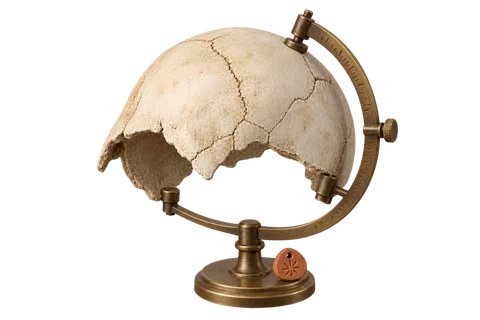
What the fossils themselves show
The Jebel Irhoud paper examines fossils from Morocco in the context of early Homo sapiens origins. Fossil anatomy and archaeological context supply a different kind of evidence from present-day DNA. Nature ↗
A specimen does not represent an entire population
Identify the specimen, its context, and the dating evidence before assigning a population relationship. Morphological resemblance alone does not reconstruct a complete genealogy. Nature ↗
Compare independent evidence classes
Ask where fossil, archaeological, and genomic models agree, and where each leaves open questions. Preserve the paper’s uncertainty rather than turning a broad origin model into one founding event. Nature ↗