Göbekli Tepe: monuments raised before farming towns
At Göbekli Tepe, people raised carved stone enclosures before farming towns appeared. How do archaeologists date a place that changed over time?
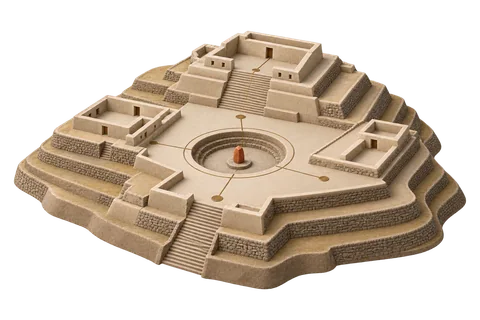
Göbekli Tepe in its layers
UNESCO lists Göbekli Tepe as a World Heritage property in Upper Mesopotamia: monumental round and rectangular enclosures of carved limestone pillars, raised by hunter-gatherer communities during the Pre-Pottery Neolithic. The research record used here frames the monumental phase between about 9600 and 8200 BCE. UNESCO World Heritage Centre ↗
A phase, not a single date
The dates describe a monumental phase, and the occupation history may extend beyond that simplified range. Treat the range as an orientation point. Phase boundaries rest on excavation sequences and dating programs, which is why the research record flags that exact boundaries still need source-level review.
Find, date, then interpret
Separate three things when you read about the site: what has been excavated, how it was dated, and what interpretation is being offered about the people who built it. The institutional summary is a good orientation; archaeological publications carry the primary provenance.
How do these monuments change the farming story?
If monumental building appears before settled farming here, what does that change about the order of events you expected? Hold the question open rather than reversing the old story outright.