Napata: the kingdom that ruled Egypt from the south
Kushite rulers governed Egypt as the Twenty-fifth Dynasty. Follow the story from Gebel Barkal to pharaonic power without blending the dates of each stage.
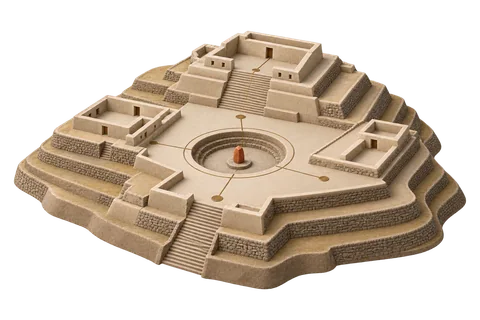
Gebel Barkal, Kush’s sacred mountain
UNESCO's record for Gebel Barkal and the sites of the Napatan region describes a religious and political landscape centered on the mountain's Amun temples, with royal cemeteries at El-Kurru and Nuri. The research timeline places Napatan Kush at about 900 to 270 BCE. UNESCO World Heritage Centre ↗
A city, not only monuments
The Jebel Barkal Archaeological Project's historical summary follows the place from an Egyptian New Kingdom outpost and Amun temple to the local Kushite kingdom that expanded after Egypt withdrew, and on into the Meroitic period. The project's current excavations target the ancient city and settlement, not just its temples. University of Michigan / NCAM Sudan ↗
Rulers from Kush in Egypt
In the eighth and seventh centuries BCE, Kushite kings of the 25th Dynasty ruled Egypt and adapted older pharaonic forms. A 2026 review in the American Journal of Archaeology discusses a recent book on these Nubian pharaohs and their afterlives, a reminder that the interpretation of this period is still being written. American Journal of Archaeology ↗
Which Kushite traditions can we see?
The research record models Napatan kingship as a synthesis of older Nubian traditions, Egyptian temple institutions, and a local Amun-centered ideology. Which of those inputs would you expect to see in architecture, and which only in texts?